The Best Way to Send eChecks and Why It Beats Paper
Send eChecks instead of mailing paper checks — and suddenly business payments become faster, safer, and far easier to manage. For decades, companies relied on paper checks to pay vendors, contractors, and service providers. But traditional check writing comes with obvious limitations: delays, manual work, lost mail, and unnecessary administrative costs.
Today, digital payment systems allow businesses to send eChecks instantly without printing, signing, or mailing anything. Platforms like PayToMe.co make it possible to create, send, and track echecks through a secure online environment, giving businesses a smarter way to manage payments.
If your business still relies on paper checks, understanding how to send eChecks and why they outperform traditional methods can transform the way you handle payments.
What Does It Mean to Send eChecks?
To send eChecks means transferring money electronically using a digital version of a traditional check. Instead of printing a physical document, an electronic check payment is created and delivered through a secure digital system.
These echecks work through ACH-based payment networks and digital payment platforms, allowing businesses to send electronic checks directly to recipients via email or secure payment portals.
Compared with paper checks, sending checks online provides several advantages:
- Faster delivery
- Reduced processing costs
- Improved payment tracking
- Enhanced payment security
In other words, when businesses send checks electronically, they remove many of the inefficiencies associated with traditional banking processes.
Why Paper Checks Are Becoming Obsolete
Paper checks served businesses well for decades, but they were designed for a different era. Mailing payments, waiting for deposit confirmation, and manually reconciling transactions no longer make sense in a digital economy.
Common issues with paper checks include:
- Mailing delays
- Lost or stolen checks
- Manual record keeping
- Slower reconciliation
Modern businesses increasingly rely on digital checks and electronic check systems because they eliminate these obstacles. When you send eChecks instead of paper, the payment process becomes immediate and transparent.
How PayToMe Makes It Easy to Send eChecks
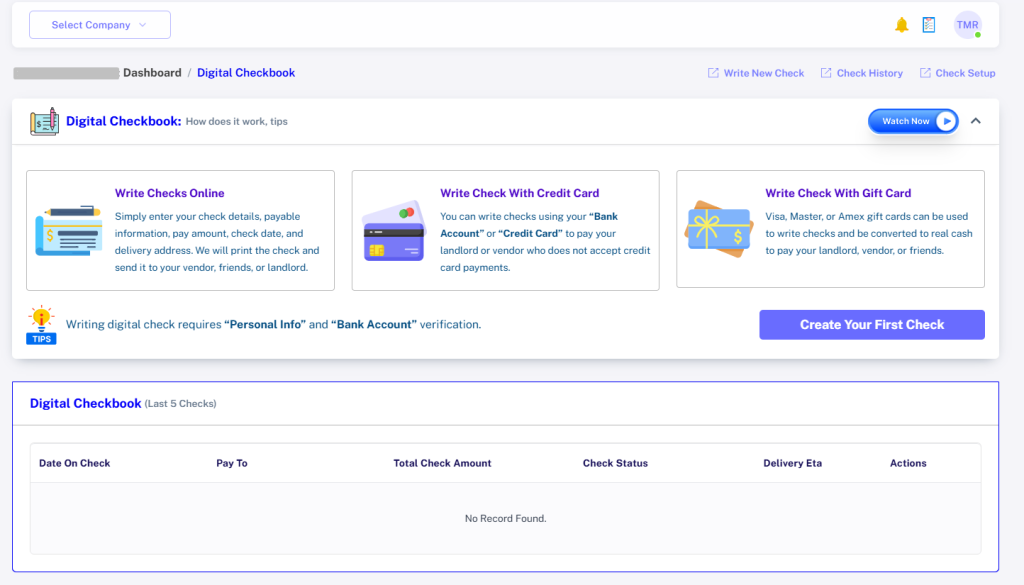
One of the easiest ways to send eChecks is through the Digital Checkbook feature available on PayToMe.co.
PayToMe allows businesses to create digital checks and send them securely without needing physical checkbooks. Using the platform’s digital checkbook, businesses can:
- Send checks online instantly
- Track payment status in real time
- Maintain digital records for accounting
- Manage vendor payments efficiently
Unlike traditional check systems, PayToMe integrates invoicing, payments, and financial tools into one platform. Businesses can issue digital checks while maintaining a structured payment workflow.
This makes PayToMe particularly valuable for companies that want to modernize their financial operations.
Advantages of Using eChecks for Business Payments
1. Faster Payment Delivery
When businesses send eChecks, payments arrive almost instantly compared to traditional mail delivery. Vendors and contractors can receive and process payments without waiting days for checks to arrive.
This speed improves relationships with suppliers and ensures smoother financial operations.
2. Lower Operational Costs
Printing checks, buying envelopes, and paying postage all add up. Over time, those costs become significant.
Using digital checks eliminates most of these expenses. An electronic check system allows businesses to send check electronically without the overhead of physical materials.
3. Better Payment Tracking
Paper checks make tracking difficult. Businesses often rely on manual reconciliation and bank statements.
When you send eChecks through platforms like PayToMe, every transaction is recorded digitally. Businesses gain visibility into:
- Payment status
- Processing timelines
- Vendor history
This makes echeck processing far more organized than traditional methods.
4. Improved Security
Many businesses worry about fraud when sending payments. Paper checks are actually more vulnerable because they can be lost, intercepted, or altered.
Secure echecks rely on encrypted financial infrastructure and trusted payment networks. Platforms like PayToMe use integrations with partners such as Stripe for payment processing and Plaid for secure bank connectivity.
Their infrastructure is hosted on Amazon Web Services and supported by enterprise technology partners like IBM, with financial ecosystem connections that include institutions such as Silicon Valley Bank.
This layered security approach ensures safe online check payment systems.
eChecks vs Paper Checks: A Quick Comparison
| Feature | eChecks | Paper Checks |
|---|---|---|
| Delivery Time | Instant or same-day | Several days |
| Processing | Automated | Manual |
| Cost | Lower operational cost | Printing and postage |
| Security | Encrypted digital systems | Risk of loss or theft |
| Tracking | Real-time tracking | Limited visibility |
For most modern businesses, the advantages clearly favor digital payments.
Who Should Use eChecks?
Businesses across many industries benefit from switching to electronic check payment systems, including:
- Small businesses paying vendors
- Service companies paying contractors
- E-commerce companies managing payouts
- Accounting teams managing recurring payments
If your business regularly sends payments to partners or suppliers, moving to a digital checkbook system can significantly improve efficiency.
Why PayToMe Is the Best Way to Send eChecks
Many tools allow businesses to send checks online, but PayToMe stands out because it integrates payment capabilities into a broader financial ecosystem.
Using PayToMe.co, businesses gain access to:
- Digital Checkbook for sending echecks
- Online invoicing tools
- Text-to-Pay payment options
- Merchant payment processing
- Accounting and financial services
Instead of using multiple disconnected tools, businesses can manage payments, invoicing, and financial operations in one place.
That unified approach simplifies payment management and supports long-term growth.
Frequently Asked Questions
What are echecks?
echecks are digital versions of traditional paper checks that transfer funds electronically using ACH-based systems or secure payment platforms.
How do businesses send eChecks?
Businesses can send eChecks through digital payment platforms that allow them to create and deliver electronic checks online.
Are eChecks secure?
Yes. Secure echecks use encryption, payment gateways, and bank authentication systems to protect transactions.
What is the difference between eChecks and paper checks?
eChecks are delivered electronically and processed faster, while paper checks require physical handling and mail delivery.
Can small businesses use eChecks?
Absolutely. Many small businesses use electronic check systems to pay vendors, contractors, and service providers efficiently.
Final Thoughts
Learning how to send eChecks is becoming essential for modern businesses. Digital payments reduce delays, improve security, and simplify financial management compared to traditional paper checks.
Platforms like PayToMe.co take this even further by combining digital checkbook functionality with invoicing, payment processing, and financial tools. Instead of managing payments across multiple systems, businesses can handle everything from one platform.
For companies looking to streamline payments, reduce costs, and improve financial control, switching from paper checks to echecks is not just an upgrade — it’s a smarter way to run a business.