
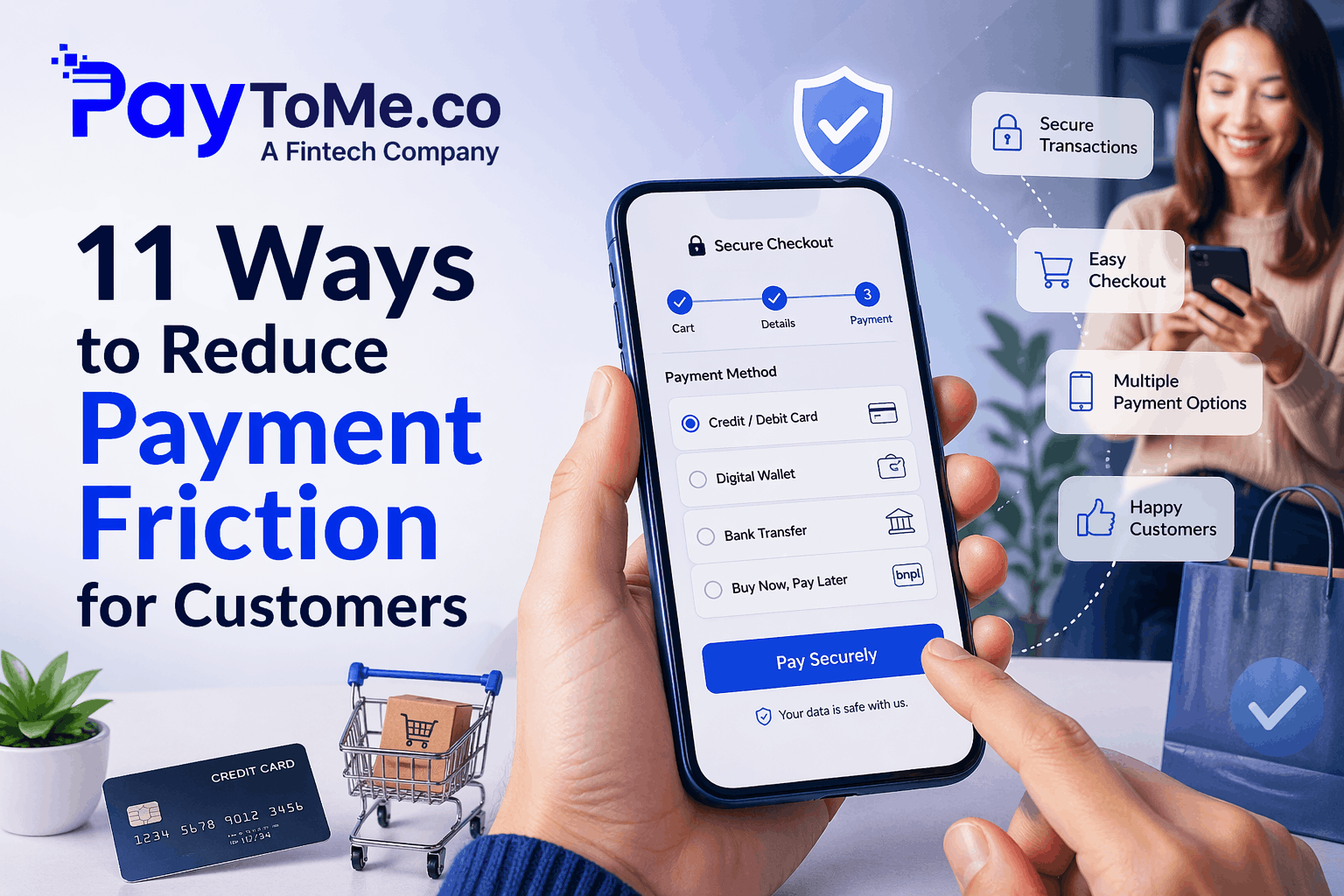
11 Ways to Reduce Payment Friction for Customers
Reduce Payment Friction—it sounds like a technical phrase, but in reality, it’s one of the biggest factors that determines whether you get paid today… or weeks later.
Think about it from your customer’s perspective.
They receive your invoice. They intend to pay. But then something slows them down—too many steps, unclear instructions, limited payment options, or simply inconvenience.
And that’s all it takes.
Payment friction doesn’t just delay revenue. It quietly damages your cash flow, customer experience, and overall business momentum.
The good news? It’s fixable.
Modern platforms like PayToMe are designed specifically to remove these barriers and create a smoother, faster, and more reliable payment flow.
Practical Ways to Reduce Payment Friction in Your Business
Reducing friction isn’t about one big change—it’s about fixing small gaps across your payment experience. The following strategies focus on improving payment flow, increasing payment efficiency, and creating a truly seamless payment journey for your customers.
1. Make Payments Instantly Actionable

The moment a customer sees your invoice, they should be able to act.
No switching tabs. No searching for bank details.
A strong payment experience starts when invoices include a direct payment option. With PayToMe’s invoicing system, businesses can send invoices with built-in payment links, making seamless payments possible in seconds.
2. Offer Multiple Payment Methods
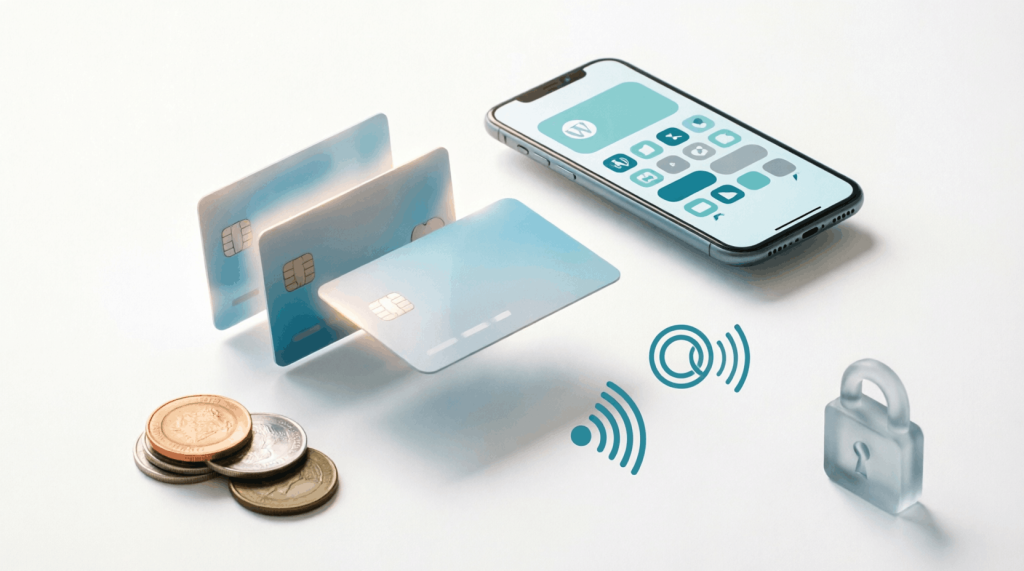
Customers prefer flexibility.
Some want to pay by card. Others prefer bank transfers. Some still rely on checks.
Limiting options creates friction. Expanding them improves payment efficiency.
PayToMe supports multiple payment methods, including digital checkbook functionality, allowing businesses to adapt to different customer preferences without complicating the process.
3. Use Text-to-Pay for Faster Response

Emails get ignored. Messages get opened.
That’s the reality.
With PayToMe’s Text-to-Pay feature, you can send invoice links directly to a customer’s phone. This dramatically improves visibility and speeds up payments.
When customers can pay from their phone in seconds, delays almost disappear.
4. Simplify the Payment Flow
Every extra step in the payment process increases the chance of delay.
A clean, intuitive payment flow improves checkout optimization and encourages faster decisions.
The goal is simple: fewer clicks, faster completion.
5. Send Invoices Immediately
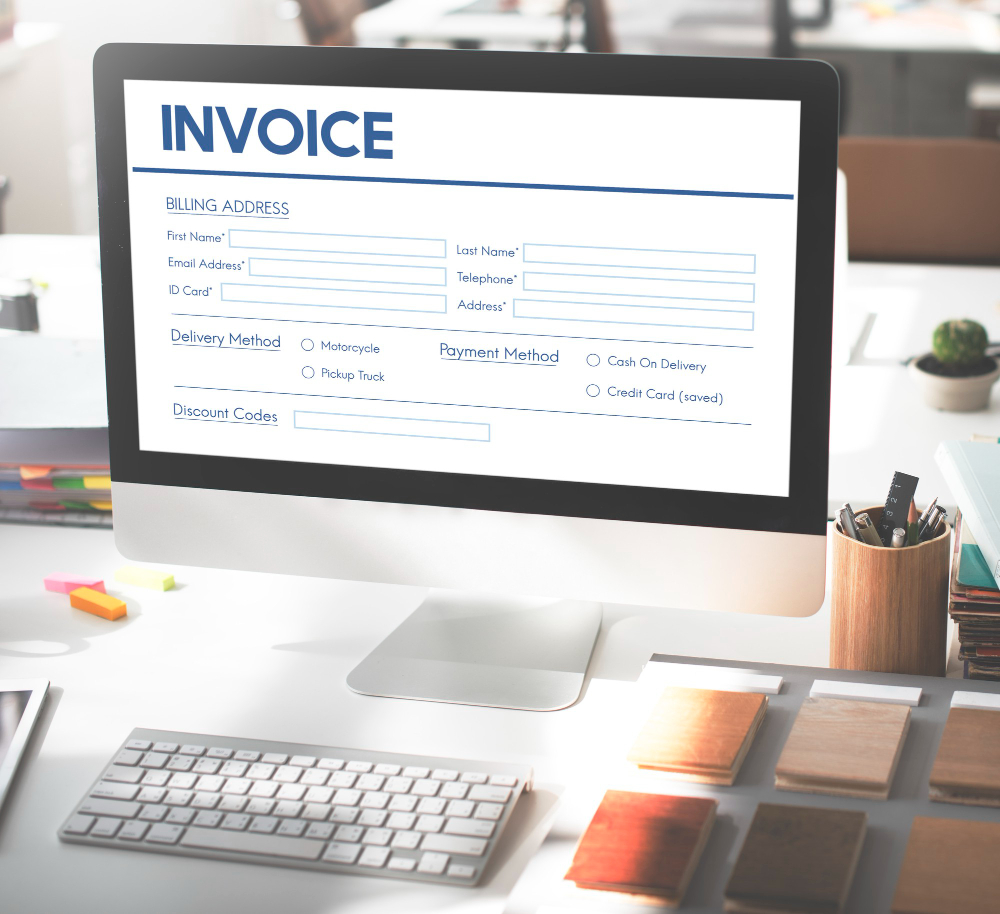
Timing matters more than most businesses realize.
The longer you wait to send an invoice, the longer you wait to get paid.
Using a platform like PayToMe’s invoice creation workflow, businesses can create and send invoices instantly after a transaction is completed.
That small change can significantly improve payment speed.
6. Automate Payment Reminders
Chasing payments manually is time-consuming—and often uncomfortable.
Automation solves this.
Modern invoice payment solutions allow you to schedule reminders so customers are gently nudged without manual effort. This improves payment efficiency without damaging relationships.
7. Improve Invoice Clarity
Confusion creates delay.
If your invoice is unclear—missing details, vague descriptions, or unclear totals—customers hesitate.
A professional digital invoice should clearly show:
- services provided
- total amount
- due date
- payment options
Clarity builds trust and encourages fast payments.
8. Enable Real-Time Payment Tracking
Not knowing what’s happening creates uncertainty.
With real-time tracking, businesses can see:
- when an invoice is opened
- when it’s pending
- when it’s paid
This visibility helps improve payment optimization and reduces unnecessary follow-ups.
9. Reduce Manual Work with Automation
Manual processes slow everything down.
From invoice generation to payment tracking, automation improves speed and accuracy.
PayToMe’s platform allows businesses to automate invoicing, reminders, and financial workflows—making the entire system more efficient.
10. Ensure Secure Payment Infrastructure
Customers won’t complete payments if they don’t trust the system.
Security is essential for seamless payments.
PayToMe uses trusted infrastructure powered by Stripe for payment processing and Plaid for secure bank connectivity. It also runs on Amazon Web Services and is supported by enterprise technology from IBM, with financial ecosystem alignment including Silicon Valley Bank.
This builds confidence and removes hesitation during checkout.
11. Integrate Payments with Financial Systems
Disconnected tools create inefficiency.
When invoicing, payments, and accounting operate separately, errors increase and processes slow down.
PayToMe integrates these functions into one system, offering not just invoicing, but also accounting and financial services. This improves overall payment flow and helps businesses manage finances more effectively.
Why Reducing Payment Friction Matters More Than Ever
In today’s digital economy, speed is everything.
Customers expect fast, easy payments. Businesses depend on predictable cash flow.
Reducing payment friction is not just about convenience—it’s about staying competitive.
When your payment process is smooth, everything else becomes easier.
Frequently Asked Questions
What is payment friction in simple terms?
Payment friction refers to anything that slows down or complicates the payment process, such as multiple steps, unclear instructions, or limited payment options.
How can businesses identify payment friction points?
By analyzing where delays happen—late payments, abandoned transactions, or frequent follow-ups—businesses can identify friction areas in their payment flow.
Does faster payment always mean better customer experience?
Yes. A faster and simpler payment experience reduces stress for customers and improves their overall interaction with your business.
How does PayToMe help reduce payment friction specifically?
PayToMe combines invoicing, payment links, Text-to-Pay, digital checkbook, and financial tools into one platform, eliminating the need for multiple systems and reducing complexity.
Can reducing payment friction increase revenue?
Indirectly, yes. Faster payments improve cash flow, reduce outstanding balances, and allow businesses to reinvest money more quickly.
Is payment optimization only important for large businesses?
No. Small businesses often benefit even more because they rely heavily on timely payments to maintain operations.
What role does automation play in payment efficiency?
Automation removes manual delays, ensures timely reminders, and keeps the payment process consistent and reliable.
Final Thoughts
Reduce Payment Friction is not just a strategy—it’s a necessity for modern businesses.
If customers find it easy to pay, they will.
If they don’t, they delay.
Platforms like PayToMe make it easier to remove those barriers by combining invoicing, payments, and financial tools into one seamless system.
And when payments become effortless, business becomes faster, smoother, and far more predictable.